
Minneapolis Home Inspection: 10 Red Flags Every Buyer Needs to Know

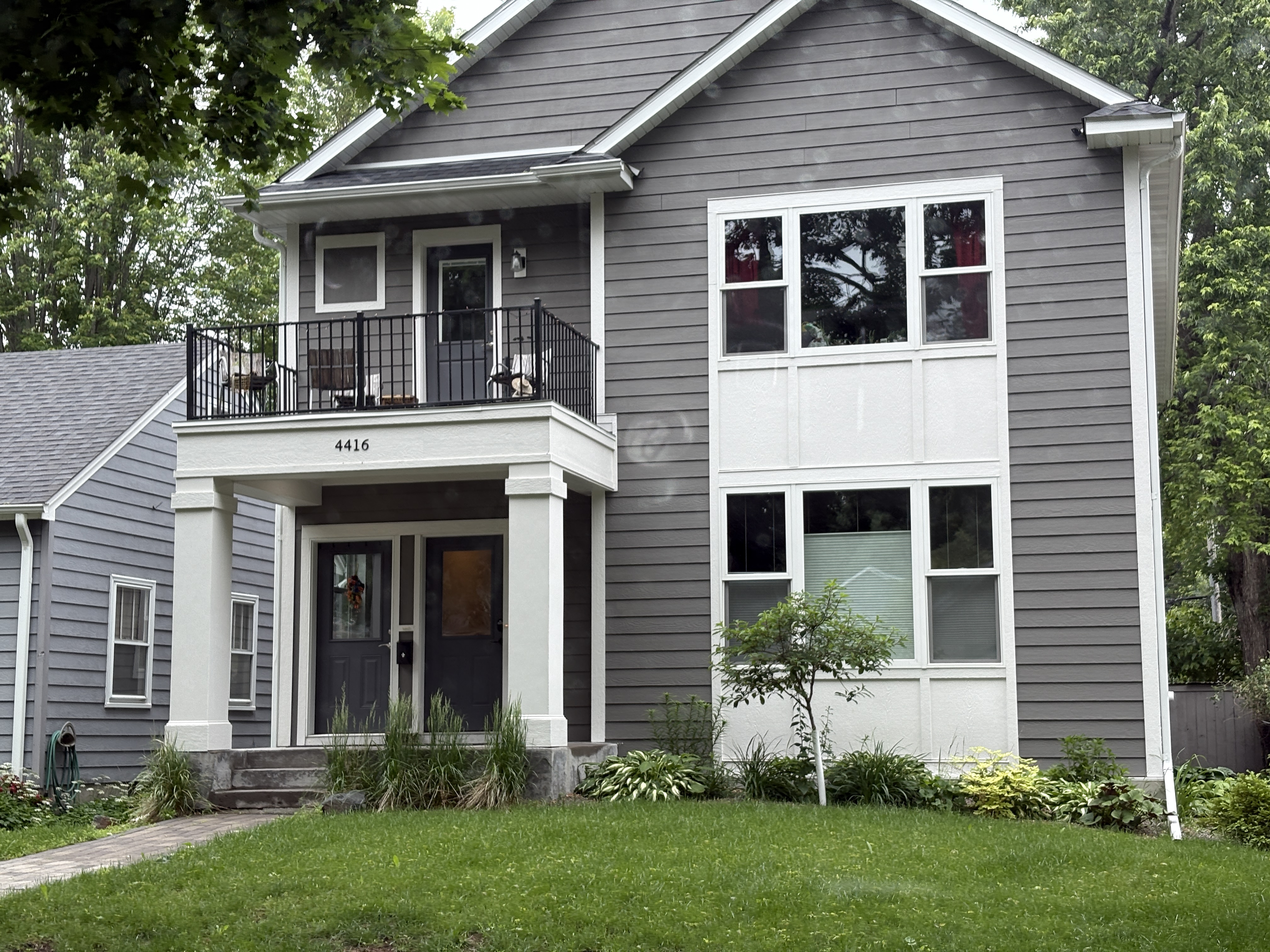
Minneapolis Home Inspection: 10 Red Flags Every Buyer Needs to Know
By Arne Johansson | eXp Realty | Minneapolis, MN | twincitieshomesforsale.com
Most home buyers in Minneapolis trust their home inspector to catch everything. That trust is mostly well-placed — but here's what I've learned after nearly 400 transactions and a career that started in construction: a good home inspector will tell you what's there. It takes someone who's actually built and remodeled homes to tell you what it means.
I'm Arne Johansson, a Minneapolis realtor with eXp Realty. Before I sold homes, I built them. I've constructed new duplexes from the ground up, remodeled dozens of single-family homes across the Twin Cities, and developed vacant land. That background means I walk through every home I show with a different eye than most agents.
Minneapolis has a unique housing stock — a huge percentage of homes were built between 1900 and 1970, and Minnesota's brutal freeze-thaw climate puts stress on structures, roofs, foundations, and mechanical systems in ways that don't exist in warmer states. These are the 10 inspection red flags I see most often, and what to do when you find them.
|
Before You Read This guide is for educational purposes and should complement — not replace — a professional home inspection. Always hire a licensed Minnesota home inspector. What I'm giving you here is the context to understand what they find and how to respond strategically. |
🚩 RED FLAG #1: Roof Flashing Failures at Chimneys and Valleys
This is one of the most common — and most overlooked — sources of water damage in Minneapolis homes. Flashing is the metal material that seals the joints where your roof meets a vertical surface: chimneys, dormers, skylights, and roof valleys.
Why it matters in Minneapolis: Our freeze-thaw cycles are relentless. Water gets under flashing, freezes, expands, and lifts the flashing away from the surface. Over years, this creates gaps where water infiltrates — often into wall cavities or attic spaces where it does invisible damage for a long time before you see it.
What to look for: rusted, buckled, or missing flashing; black staining or discoloration on interior ceilings near chimneys or skylights; daylight visible around chimney bases in the attic.
|
Walk-Away Signal Active water intrusion at the chimney with interior staining plus deteriorated chimney masonry is a combination that can run $5,000–$15,000+ to properly repair. Get a roofing and masonry quote before you proceed. |
🚩 RED FLAG #2: Attic Ventilation Problems and Ice Dam Evidence
Ice dams are a distinctly Minnesota problem, and poor attic ventilation is what causes them. Here's the chain reaction: heat escapes from the living space into the attic, warms the roof deck, melts snow on the roof, and that meltwater runs down and refreezes at the cold eaves. The ice dam backs up water under the shingles and into the home.
What I look for in the attic: adequate soffit and ridge vents, insulation that doesn't block soffit vents, proper insulation R-value (Minnesota code recommends R-49 to R-60 in attics), and evidence of past ice dam damage — staining on rafters, deteriorated sheathing, or rust marks near the eaves.
An under-ventilated attic also dramatically shortens shingle life and can cause moisture buildup that leads to mold on roof sheathing — an expensive remediation project.
- Ask the inspector: What is the current attic insulation R-value?
- Ask the inspector: Are soffit vents clear and unobstructed?
- Ask the inspector: Is there any evidence of past or current moisture on the roof sheathing?
🚩 RED FLAG #3: Window Condition and Failed Seals
Windows are a big-ticket item in Minnesota because of our climate demands. A failed window seal — the insulating gas between double or triple pane glass — shows up as fogging, condensation, or haze between the panes. Once the seal fails, the insulating value is gone.
Why this matters beyond energy efficiency: Window replacement in Minneapolis runs $400–$900+ per window installed. A home with 20 windows where 15 have failed seals represents a $6,000–$13,000+ replacement project. I see buyers overlook this constantly because it doesn't feel structural — but it adds up fast.
Also look at window operation: do they open, close, and lock properly? Painted-shut windows in older Minneapolis homes are both a functional problem and a fire safety concern. Check for rot on wood window frames, especially on south and west-facing windows that take the most weather exposure.
|
Arne's Construction Tip Wood windows from the 1940s–1960s are often actually higher quality than mid-range vinyl replacements installed in the 1990s and 2000s. If the wood frames are solid and the glazing compound is intact, restoration can be a better investment than replacement. Context matters. |
🚩 RED FLAG #4: Concrete Driveway, Sidewalk, and Stoop Condition
This one surprises buyers — and most realtors don't even mention it. Concrete in Minnesota takes a beating. The freeze-thaw cycle, road salt tracked in from vehicles, tree root intrusion, and settling on clay-heavy soils all degrade concrete faster here than almost anywhere in the country.
What to look for: significant cracking (especially heaving or settlement cracks where slabs have shifted vertically), spalling (surface flaking from freeze-thaw damage and salt), and any concrete that slopes toward the foundation rather than away from it. That last point is critical — negative drainage grades direct water toward your foundation, which leads to water intrusion in the basement.
Concrete replacement is expensive. A driveway replacement in Minneapolis typically runs $5,000–$12,000 depending on size. A front stoop or steps replacement runs $3,000–$7,000. I've seen buyers focus entirely on interior finishes and completely miss the fact that every concrete surface on the property needs replacement within 2–3 years.
|
Negotiate This Concrete issues are a legitimate negotiation point. Sellers often underestimate replacement costs. If the inspection reveals significant concrete deterioration, request a credit at closing rather than asking the seller to do the work — you'll have more control over the quality and timing. |
🚩 RED FLAG #5: Electrical Panel — Brand and Age
Minnesota's older housing stock means a lot of electrical panels that were installed 40–60+ years ago. Two brands in particular are serious red flags: Federal Pacific Electric (FPE) panels with Stab-Lok breakers, and Zinsco panels. Both have documented histories of breaker failures that can lead to fires.
How to spot them: Federal Pacific panels often have orange breaker handles and the FPE or Stab-Lok name on the panel face. Zinsco panels often have colorful (blue, green, red) breaker handles. If you see either, budget for a full panel replacement — typically $2,500–$4,500 in the Twin Cities.
Beyond problem brands, look at overall panel condition: are there double-tapped breakers (two wires on one breaker)? Burned or scorched areas? Breakers that feel warm? Any DIY-looking wiring running in and out? These are all signs that the electrical system has been modified without permits or professional oversight.
- Insurance concern: Many Minnesota insurance companies will refuse to insure a home with Federal Pacific or Zinsco panels, or will charge significantly higher premiums. Confirm insurability before removing inspection contingencies.
🚩 RED FLAG #6: Foundation Cracks — Know the Difference
Not all foundation cracks are equal, and knowing the difference can save you from either walking away from a good home or buying into a structural nightmare.
Vertical cracks: Common in poured concrete foundations, usually caused by normal concrete shrinkage as it cures. Generally less serious, but should be monitored and sealed to prevent water infiltration.
Horizontal cracks: This is the one that gets my attention. Horizontal cracks in a block or poured foundation wall indicate lateral pressure from soil — often caused by hydrostatic pressure or frost. These are structural. They require evaluation by a structural engineer, not just a home inspector.
Stair-step cracks in block foundations: Common in older Minneapolis homes with concrete block foundations. Moderate stair-step cracking with no displacement is usually manageable. Wide gaps or walls that are bowing or leaning inward are serious.
Minnesota's clay-heavy soils expand significantly when wet and contract when dry, putting constant movement stress on foundations. I look at foundation walls from inside the basement with a flashlight at multiple angles to see displacement, bowing, or efflorescence (white mineral deposits that indicate water has been moving through the wall).
🚩 RED FLAG #7: Furnace Age and Heat Exchanger Condition
In Minnesota, a functioning furnace isn't optional — it's a safety necessity. The average furnace lifespan is 15–25 years. When I'm walking a home, I check the furnace manufacture date (on a label inside the unit) and ask myself: is a replacement in the buyer's near-term budget?
The heat exchanger is the critical component: A cracked heat exchanger allows combustion gases — including carbon monoxide — to mix with the heated air circulating through your home. It's invisible to the eye and requires a qualified HVAC technician to diagnose properly. Carbon monoxide poisoning is a genuine risk in Minnesota homes with older furnaces, particularly after homes are sealed up tight for winter.
Furnace replacement in Minneapolis runs $3,500–$7,000+ depending on size and efficiency rating. If a furnace is 18+ years old, I coach buyers to budget for replacement within the first few years of ownership regardless of inspection findings — and to use that reality as a negotiation point.
|
Arne's Advice Always ask your home inspector to specifically check the heat exchanger. Not all inspectors do this by default. And make sure any home you buy has working carbon monoxide detectors on every level — Minnesota law requires them. |
🚩 RED FLAG #8: Sump Pump — Presence, Age, and Backup Power
In Minneapolis, a sump pump isn't a luxury — it's essential in the vast majority of homes. Spring snowmelt combined with heavy spring rains puts enormous groundwater pressure on basements. A sump pump that fails during a storm event can mean thousands of dollars in water damage in a matter of hours.
What to check: Is there a sump pump? How old is it (pumps typically last 7–10 years)? Does it have a battery backup or water-powered backup system for power outages? Is the discharge line running away from the foundation and not just dumping water back against the house?
Homes without sump pumps in areas with high water tables or heavy clay soils are a risk. Homes with sump pumps that run frequently are telling you something about the water table and drainage conditions around the property.
- Ask the sellers: How often does the sump pump run during spring? Has there ever been water in the basement?
- Check for: water staining on basement walls or floor, efflorescence (white mineral deposits), musty odors, or painted concrete that may be concealing past water marks.
🚩 RED FLAG #9: Water Intrusion Evidence in Basement and Crawlspaces
Water in a basement is the single most common serious issue I encounter in Minneapolis homes. And because sellers know it's a red flag, it's also one of the most commonly concealed defects.
What concealment looks like: fresh paint on basement walls (especially the lower half), new carpet or flooring over a concrete slab, recently refinished or drywalled lower-level spaces. None of these are automatically red flags on their own, but combined with other signals they warrant a closer look.
I look for: staining at the base of foundation walls, rust stains on the floor near walls (from iron in groundwater), efflorescence deposits, mold or mildew odors, and any wood framing that shows signs of past moisture exposure.
Minnesota disclosure law: Sellers are legally required to disclose known water intrusion. Ask directly. Get it in writing. And if something looks like it's been recently painted or patched, ask your inspector to look closer.
🚩 RED FLAG #10: Chimney Condition — Masonry and Liner
Chimneys are often the most deferred-maintenance item on a Minneapolis home. They're out of sight, out of mind — until they're not. A deteriorated chimney is both a water intrusion risk and a fire safety concern.
Exterior masonry: Look for spalling brick (brick faces breaking off), deteriorated mortar joints (tuckpointing needed), and cracks in the chimney crown (the concrete cap at the top). Any of these allow water in, which freezes, expands, and accelerates deterioration rapidly in Minnesota winters.
The chimney liner: If the home has a gas furnace or water heater venting through the chimney, or a wood-burning fireplace, the liner condition is critical. A cracked or deteriorated clay tile liner is a fire hazard. A proper chimney inspection (beyond what a standard home inspector does) involves a camera inspection of the liner — worth requesting if there's any doubt.
Chimney tuckpointing in Minneapolis runs $500–$3,000+ depending on extent. Full chimney liner replacement can run $2,500–$7,000. A full chimney rebuild from the roofline up is $5,000–$15,000+. These costs are significant and absolutely negotiable.
What to Do When You Find These Red Flags
Finding inspection issues doesn't automatically mean walking away. It means you have information — and information is leverage. Here's how I coach buyers through the process:
Categorize Every Finding
Not all inspection findings are equal. I help buyers sort findings into three buckets:
- Safety issues — anything that poses an immediate risk (active gas leaks, carbon monoxide hazards, structural instability, electrical fire risks). These must be addressed before closing or the buyer should walk.
- Functional issues — systems or components that aren't working as intended (failed HVAC, leaking roof, water intrusion). These are legitimate negotiation points for repair credits or price reductions.
- Maintenance items — normal wear and deferred maintenance that's expected in any used home (minor caulking, weatherstripping, older appliances). These generally don't warrant negotiation.
Negotiate Strategically
My construction background means I know what repairs actually cost — not what contractors sometimes quote to buyers who don't know better. I've saved buyers thousands in negotiations by accurately valuing repair work and pushing back on inflated seller estimates.
In most cases, I recommend negotiating a credit at closing rather than asking the seller to do the repairs. You have no control over who they hire or the quality of the work. A credit lets you choose your own contractors after closing.
Know When to Walk
Some combinations of issues are genuinely walk-away signals: active horizontal foundation cracking with a bowing wall, evidence of long-term water intrusion that's been concealed, major structural issues the seller didn't disclose, or a total cost-to-repair that exceeds what the purchase price and condition warrant. Experience tells you when you're there — and I'll tell you straight.
|
Buying a Home in Minneapolis? Work with a realtor who has a construction background and has closed nearly 400 deals in the Twin Cities. I'll walk through every home with you and catch what others miss. |
Categories
Recent Posts






GET MORE INFORMATION